

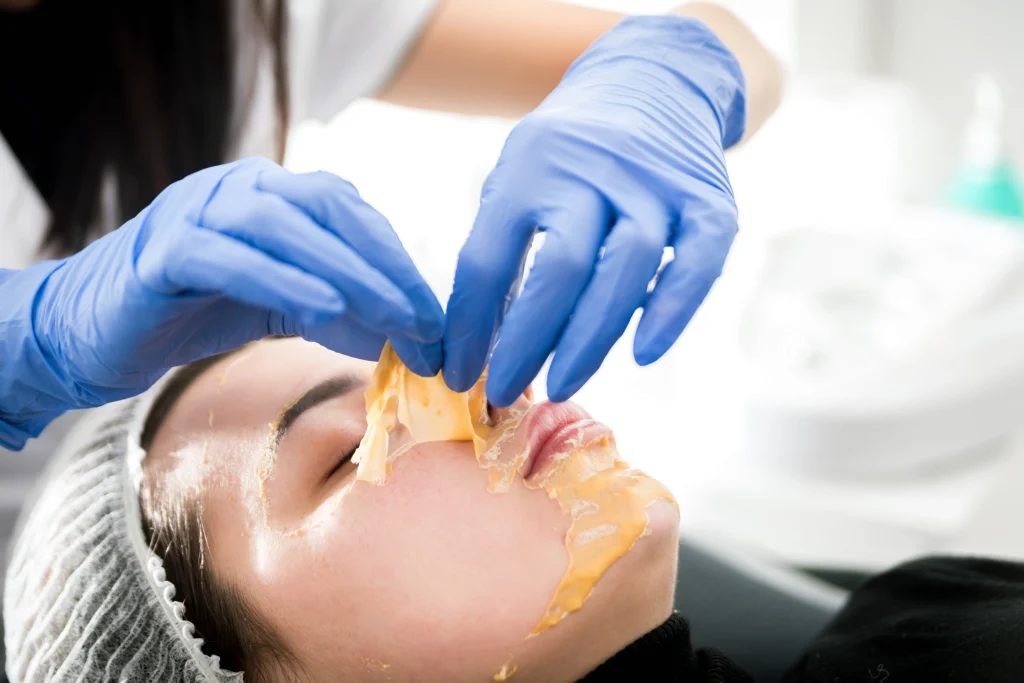
Chemical Peel for Pigmentation in Abu Dhabi: How Does It Work?
Dark spots, uneven skin tone and pigmentation can be difficult to treat with skincare alone. A professionally selected chemical peel may help improve certain types of superficial pigmentation while revealing a more even-looking complexion.
📍 First City Medical Center · Al Danah · Abu Dhabi
When Skincare Isn't Enough to Deal With Pigmentation
Pigmentation rarely appears for just one reason. Sun exposure, acne inflammation, hormonal changes and skin irritation can all contribute to darker or uneven areas of skin.
This is why treating pigmentation is not simply about finding the strongest product available. The type of pigmentation, your skin condition and your skin's response to treatment all matter.
Chemical peels are one professional option used in dermatology and aesthetic skin care to improve selected pigmentation and uneven skin tone concerns.
The important part?
A chemical peel should be selected according to your skin and the pigmentation being treated — not simply because a particular acid is trending online.
What Is a Chemical Peel?
A chemical peel uses a carefully selected solution to exfoliate the outer layers of the skin and encourage controlled skin renewal.
Controlled Exfoliation
The peel works on targeted layers of the skin, helping remove damaged or pigmented surface cells.
Skin Renewal
As the treated skin renews, newer skin cells gradually become more visible at the surface.
More Even Appearance
Depending on the pigmentation and treatment used, chemical peels may help improve uneven tone and superficial discoloration.
Which Types of Pigmentation Can a Chemical Peel Help?
Chemical peels can be considered for several superficial pigmentation concerns, although suitability depends on the individual patient.
Post-Acne Dark Marks
Acne can leave behind darker areas after inflammation settles. Selected peels may help improve the appearance of superficial post-inflammatory pigmentation.
Sun-Induced Pigmentation
Repeated sun exposure can contribute to uneven tone and visible pigmentation. Professional skin treatments may form part of a broader pigmentation management plan.
Uneven Skin Tone
When the skin appears dull or uneven, an appropriate superficial peel may help improve the overall appearance of the complexion.
Selected Melasma Cases
Some patients with melasma may be considered for chemical peels as part of a broader treatment strategy. Melasma often requires ongoing management rather than a one-time procedure.
Which Chemical Peel Is Right for Pigmentation?
The answer depends on your skin, pigmentation, sensitivity and treatment goals. Different peeling agents work in different ways.
Glycolic Acid Peels
Glycolic acid is an alpha-hydroxy acid commonly used for exfoliation, uneven tone and selected pigmentation concerns.
Salicylic Acid Peels
Salicylic acid is oil-soluble and can be useful when pigmentation is accompanied by oily or acne-prone skin.
Mandelic Acid Peels
Mandelic acid has a larger molecular structure than some other acids and is often considered for patients where a gentler approach is appropriate.
Combination Peels
Certain professional protocols combine different ingredients to address more than one skin concern.
Is Chemical Peeling Safe for Darker Skin?
Chemical peels can be used for different skin tones, but treatment needs to be selected carefully.
In people who are more prone to pigmentation, an overly aggressive treatment or inappropriate product can potentially trigger additional inflammation and pigmentation.
This is why the strength, type and timing of a peel should be determined according to the patient's skin rather than using the same protocol for everyone.
Personalisation matters
The goal is not to use the strongest peel. The goal is to choose an appropriate treatment for the specific skin concern while managing the risk of irritation and post-inflammatory pigmentation.
Why Sun Protection Matters After a Chemical Peel
A chemical peel does not remove the need for daily sun protection. In fact, protecting the skin from ultraviolet exposure is an important part of managing pigmentation.
Reduce Further Pigmentation
UV exposure can contribute to the development and persistence of pigmentation.
Support Recovery
Recently treated skin can be more sensitive, making appropriate aftercare particularly important.
Protect Your Results
Professional pigmentation treatment works best when combined with a consistent home skincare and sun-protection routine.
Follow Professional Advice
Your provider may recommend specific products to use or avoid before and after treatment depending on your skin.
What Happens During a Chemical Peel?
Skin Assessment
Your skin and pigmentation concern are assessed before deciding whether a chemical peel is appropriate.
Skin Preparation
The skin is cleansed and prepared before the selected peeling solution is applied.
Peel Application
The chosen solution is applied according to the planned treatment protocol.
Aftercare
You receive instructions on skincare, sun protection and what products or activities to avoid while the skin recovers.
Does a Chemical Peel Make Your Skin Peel?
It can, but the amount of peeling depends on the type and depth of treatment. Some superficial peels may cause little visible peeling, while stronger treatments can produce more noticeable flaking during recovery.
Don't pick or pull the peeling skin
Allow the skin to shed naturally and follow the aftercare advice provided by your treatment provider. Using harsh exfoliants or picking at the skin can increase irritation and may affect healing.
Chemical Peel or Skincare: Which Should You Choose?
At-Home Skincare
Daily skincare can play an important role in managing pigmentation and maintaining results. Ingredients such as sunscreen and dermatologist-recommended actives may be part of a long-term plan.
Professional Chemical Peel
A professional peel delivers a controlled exfoliation using a selected formulation and protocol. It may be considered when pigmentation or uneven tone requires more than basic skincare.
Often, It's Both
Professional treatment and appropriate home care are not competing approaches. A carefully planned skincare routine can support the results of professional treatment.
Assessment Comes First
The best option depends on what is causing the pigmentation, how deep it is and how your skin responds to treatment.
Chemical Peel Treatment at First City Medical Center
First City Medical Center provides dermatology and skin treatments in Abu Dhabi, including chemical peels and pigmentation-focused skin treatments.
Personalised Skin Assessment
Your skin concern is assessed before deciding which treatment approach is suitable.
Pigmentation & Uneven Tone
Chemical peels may be considered as part of a treatment plan for selected pigmentation and uneven skin tone concerns.
Acne & Post-Acne Concerns
Selected peels may also be considered when acne-prone skin and post-acne pigmentation are part of the concern.
Medical & Aesthetic Dermatology
First City Medical Center offers a range of dermatology and aesthetic skin treatments in Abu Dhabi.
Looking for More Than a Chemical Peel?
Depending on your skin concern, other professional treatments may also be considered as part of a personalised dermatology plan.
See What Patients Say About First City Medical Center
Read the latest patient feedback and reviews on Google before choosing your clinic.
View the latest reviews for First City Medical Center in Abu Dhabi.
Read Google ReviewsChemical Peel for Pigmentation FAQs
Can a chemical peel remove pigmentation?
Chemical peels can help improve certain types of superficial pigmentation and uneven skin tone. Results depend on the cause, depth and type of pigmentation and the treatment selected.
Is a chemical peel good for dark spots?
A professionally selected chemical peel may help improve some superficial dark spots, including certain post-acne and sun-related pigmentation concerns.
Which chemical peel is best for pigmentation?
There is no single peel that is best for everyone. The appropriate peel depends on your skin type, pigmentation, sensitivity and treatment goals.
Can chemical peels treat acne marks?
Selected chemical peels may help improve the appearance of post-acne pigmentation and uneven skin tone. Active acne may require a separate treatment plan.
Is chemical peel safe for dark skin?
Chemical peels can be used for darker skin types when the treatment is appropriately selected and performed. Because darker skin can be more prone to post-inflammatory pigmentation, professional assessment and careful treatment selection are important.
How long does it take for skin to recover after a chemical peel?
Recovery depends on the type and depth of the peel. Superficial treatments generally involve less downtime, while stronger peels can cause more noticeable redness, flaking or peeling.
Can I go outside after a chemical peel?
You should follow the aftercare instructions provided by your treatment provider and protect your skin from sun exposure. Appropriate sunscreen and sun avoidance are especially important when managing pigmentation.
How many chemical peel sessions do I need?
The number of sessions varies according to the pigmentation, peel selected and individual response. Your provider can recommend an appropriate treatment schedule after assessment.
Can chemical peels treat melasma?
Chemical peels may be used in selected cases of melasma as part of a broader management plan. Melasma can be persistent and often requires ongoing skincare and sun protection.
How much does a chemical peel cost in Abu Dhabi?
The cost depends on the type of peel, treatment area and individual treatment plan. Contact First City Medical Center for current pricing and availability.
Where can I get a chemical peel for pigmentation in Abu Dhabi?
First City Medical Center provides dermatology and aesthetic skin treatments in Al Danah, Abu Dhabi. A consultation can determine whether a chemical peel is appropriate for your pigmentation concern.
Don't Let Dark Spots Decide What Your Skin Looks Like.
Find out what may be causing your pigmentation and whether a professional chemical peel is appropriate for your skin.
First City Medical Center · Adidas Building · Hamdan Bin Mohammed Street · Al Danah · Abu Dhabi
